For my final project, I have decided to create a digital archive and memorial to my late grandfather, Edward Duggan. My grandfather was a religious man who made sure to uplift his community and children with his philanthropy. As such I intend to ground my topic in religious psalms.
I decided on this topic because of its importance to me, relevance to my family, and it will enable me to interact with media and sources as an archivist.
Currently, my entire extended family is preparing for my grandfather’s funeral. We are gathering images and sharing memories to honor his life. Building an archive of his life and of the time we spent together will be a cathartic experience, enabling those who knew him to preserve his memory, connect with their family and accept his passing. Additionally, the archive will also enable younger family members to learn about their roots and cultural history.
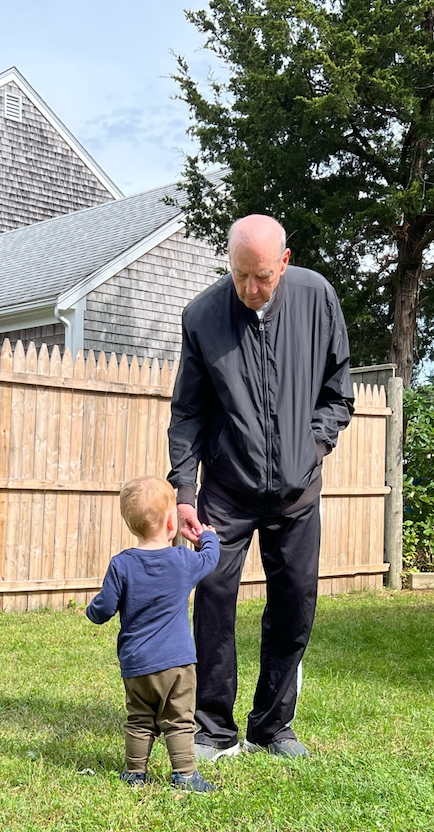
Edward Duggan meeting his 2-year-old grandson, Julian. This archive will exist to teach Julian about his grandparents and family heritage
My extended family is quite large, with my grandfather having 8 children, 2 foster children and 22 grandchildren (and counting)! A result of this large family is the substantial age differences between his grandchildren, many of whom are too young or weren’t even alive to remember my grandfather. This archive will serve as a connection between the younger members of our family who never knew our grandfather to the older members who did, connecting them with their heritage.
This will also enable me to engage with the archive as an archivist. I will get to decide what records are valuable enough to keep, and balance this with the desires of those who hold provenance over these collections and are allowing me to access them (my aunts and uncles). Finally, it will let me analyze and modify my archive to fit with the message I want it to convey.
My grandfather’s life is a niche topic, and it allows me to act the part of a true archivist. While considering other project topics, I realized much information I would be using is from other online archives. The materials I was being exposed to were already cataloged, analyzed and had their value determined by a professional archivist. While I understand my archive might not align with the purpose of these institutional archives, I don’t want to rely entirely on sources already filtered and interpreted by institutions. (If I had chosen the history of medical devices, I would depend almost entirely on secondary sources and professionally curated materials.)
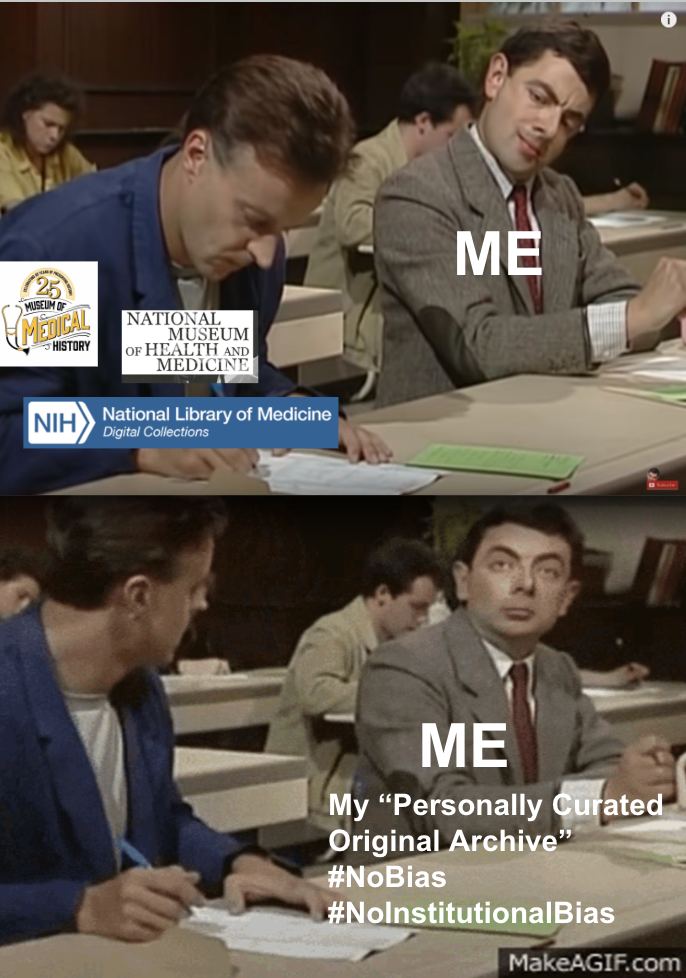
Lastly, I wanted to avoid the risk of simply replicating existing institutional archives. By consulting primary sources myself and gathering raw information, I can make something original, and intentional, without influence from outside bodies of knowledge.
A Mission Plan and a Quality Standard: My Archive’s Acquisition Guide
Archivists must be deeply intentional in their work. The decisions they make about gathering sources, determining their value, cataloging information, and presenting materials to others can vary widely depending on their archive’s mission.
To manage these complex aspects of our archive, we must first define the mission and limitations of the archive. By establishing a clear goal for our archive, we can tailor our policy regarding the value, appraisal, acquisition and storage of items to respect that mission and our practical limitations [Region of Peel Archives 2018, pgs. 10-14].
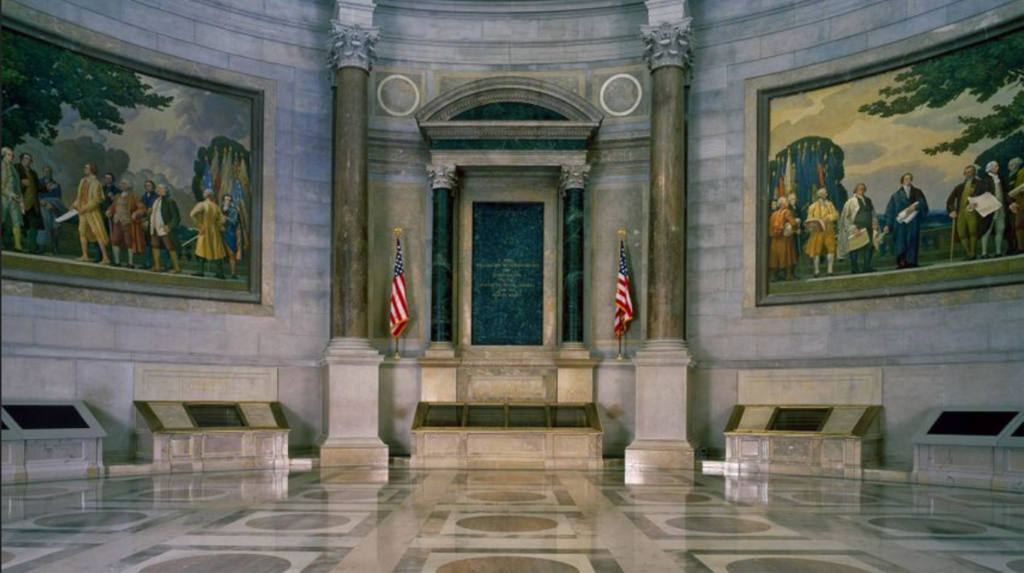
The US National Archives publicly display the Declaration of Independence and Constitution in a hall reminiscent of Roman architecture.
Emphasizing the value and importance of these documents matches the mission of our national archives of preserving and sharing documents important to U.S history with it’s citizens.
As our grandfather is deceased, I cannot directly ask how he would like to be memorialized. As such, the official mission of this archive is to accurately depict the life of Edward Duggan as known by his children and extended family. Our archive intends to depict the facets of Edward Duggan’s life deemed important to his friends, family and community in a way he would wish to be remembered.
The media to be considered must surround his family or community life, preferably the interactions he had with members of his family. Conversely, materials depicting non-community events, such as his career and work life will still be considered and incorporated, but to a lesser extent due to their lower value to our archive’s mission. This approach fits in with the mission of depicting Mr. Duggan in a way that he would likely wish to be represented, as he emphasized the social connections he made in his family and religious community rather than his professional career.
The allowed provenance of the material stored in the archive is incredibly broad. Whoever possesses documents or media that fits the criteria above can submit them to be stored within the archive.
Regarding the acquisition of media, we will reach out to family members and friends for information. However, we respect the ownership rights of the material owners, and will not copy digital media into our archive without explicit consent.
Admittedly, I thought the rules regarding ownership of our archives items would be simple, but as I continued to think about it, it became progressively more complicated.
The archive owner (or more explicitly, whoever pays for the website domain) must possess full ownership of the digital content held within the archive. Whoever pays for the archive gets to decide if it continues to exist. As the archive is online, it can be filled completely with digital copies of media, (e.g. pictures, images, text documents, videos) while enabling the owners to hold the original copies of their work.
However, I also wish for this archive to recognize people have ownership of their image and online presence. As such, any media containing images of persons not wishing to be exhibited or recorded will be removed from the archive. However, persons not wishing to be exhibited entirely will likely still appear in a few shots, (ie full family photos) which will be included. Additionally, stories surrounding Edward Duggan that include people who wish to be omitted will still be included, however said persons will not be mentioned by name.
This archive will not store any physical items due to its online digital nature. However, physical items can be temporarily received by the archive manager for scanning and uploading onto the digital archive. The physical items will then be promptly returned to the owner. The archive will also temporarily accept physical storage devices such as flash drives to be digitally uploaded.
I have already partly defined the archives appraisal policy above by mentioning the purpose of the archive and how well they fit into it.
This archive will not accept any damaged or corrupted files, materials containing generative AI.
Additionally, all archive elements will be evaluated on quality and duplicate items. For example, a family event containing many dozens of pictures will be condensed into the most important few. In a similar vein, poorly shot or blurry images may be eliminated from consideration. Additionally, media containing Edward Duggan will be preferred. (e.g. images or videos containing Edward Duggan will be held at a higher value than images that do not contain him, even if they are part of the same event or gathering.)
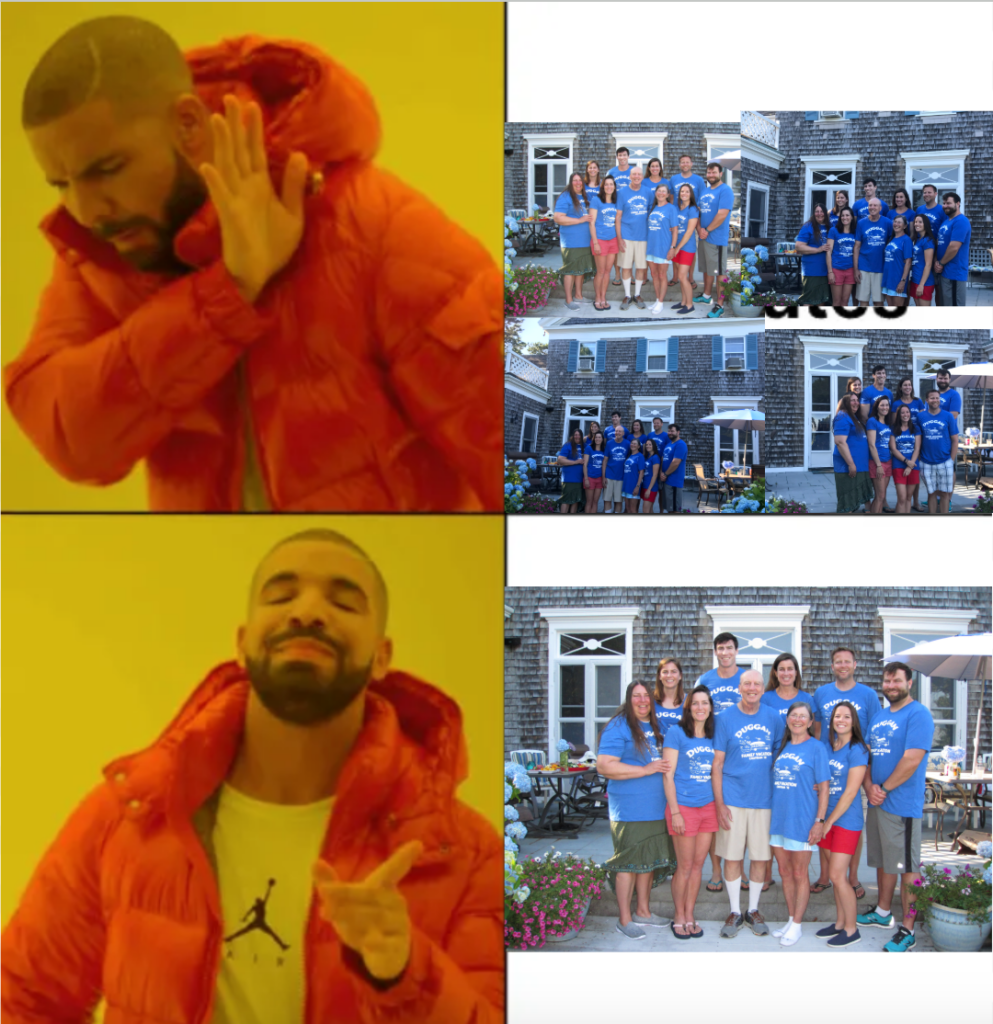
Additionally for the sake of brevity, media lacking context will also be eliminated, even if they are of high quality and contain Edward Duggan.
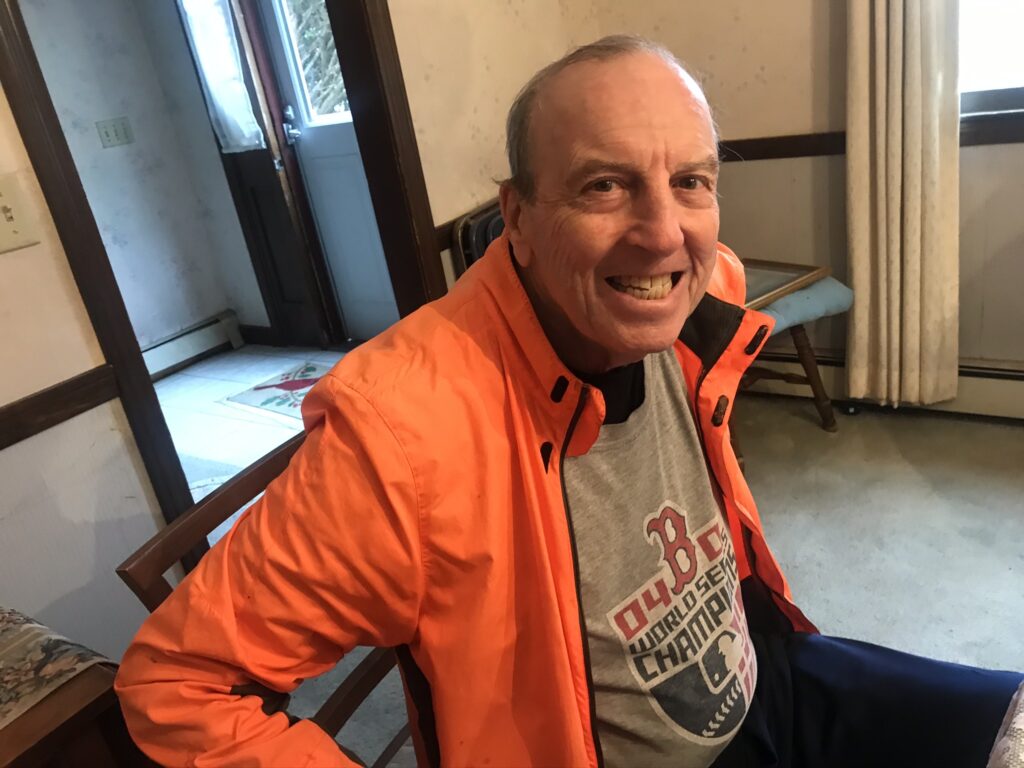
For example, this is a high quality picture of Edward Duggan, however it lacks context, making it’s value lower than other photos that might be of poorer quality but add meaning and depth to my grandfathers culture and beliefs.
However, these rules may be altered or ignored based on context. Perhaps the most important rule I learned from The Region of Peel Archive’s post is that archivists reserve the right to revise or ignore aforementioned appraisal rules for items they select for their archive based on circumstances.
This acquisition guide draft establishes a framework to honor my grandfather’s memory while respecting the privacy and ownership rights of all of its contributors. Hopefully by balancing intentional curation of media and website development, I can transform this archive from a collection of disorganized stories, images and emotions into a story of my grandparent’s culture, history and values.
Thank you for your time!